



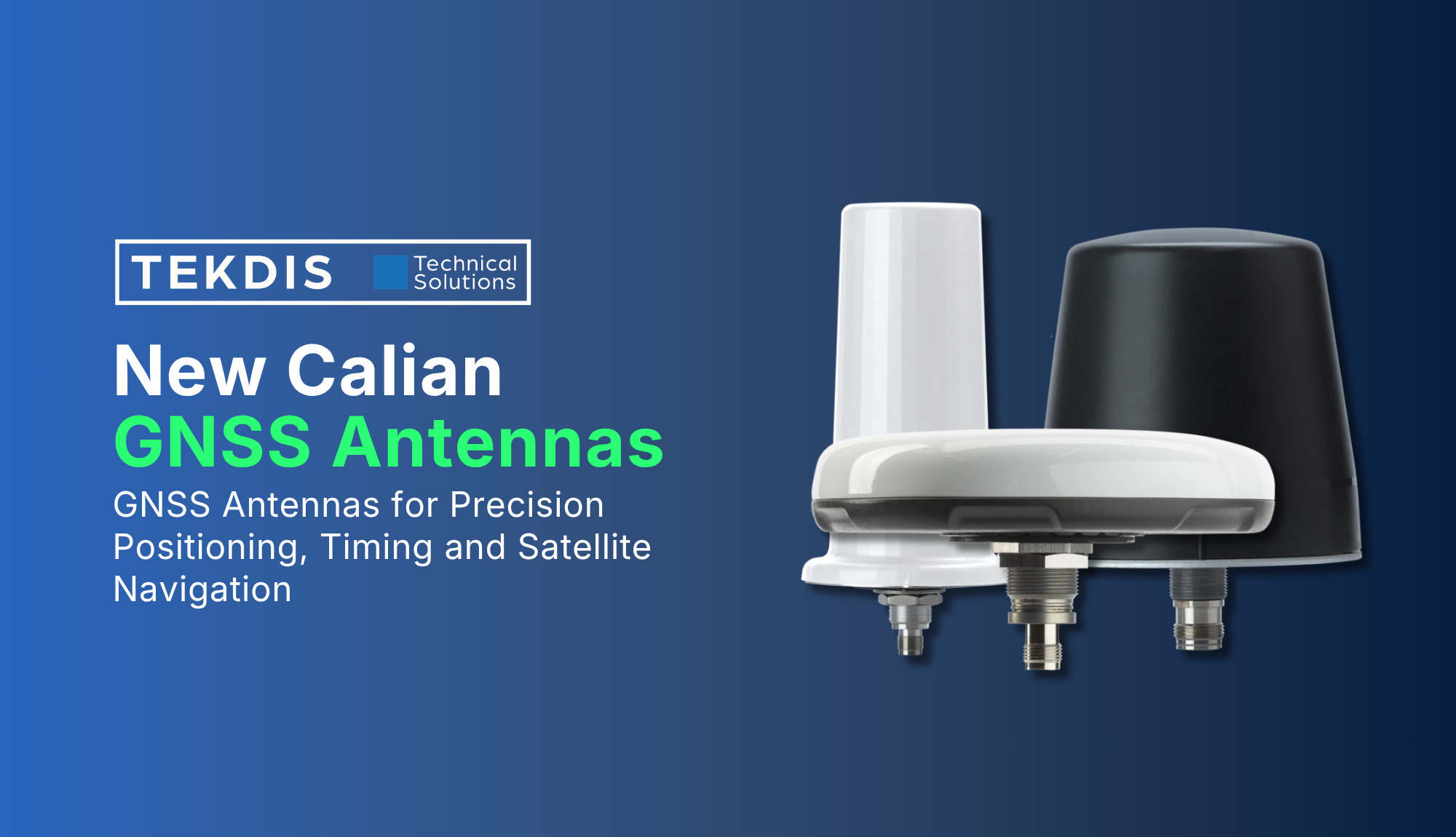
Calian GNSS Antennas for Precision Positioning, Timing and Satellite Navigation
Calian GNSS antennas support high-accuracy positioning applications where antenna quality has a direct impact on satellite reception, multi-constellation tracking, interference rejection and overall GNSS receiver performance.

High-Precision Calian Antennas for GNSS Receiver Performance
A GNSS antenna is not just a passive accessory in a positioning system. It is the first point of contact between the satellite signal and the receiver, which means antenna design can influence accuracy, signal stability, multipath rejection and the ability to maintain reliable tracking in difficult environments.
Calian GNSS antennas are designed for applications that rely on precise satellite-based positioning and navigation, including transport, surveying, autonomous systems, timing, agriculture, marine, defence and industrial deployments. The portfolio includes anti-jam GNSS antennas, full-band GNSS antennas, multi-constellation antennas, housed antennas and space-qualified antenna options.
Key GNSS Antenna Selection Factors
- Supported constellations such as GPS, GLONASS, Galileo, BeiDou, QZSS and NavIC
- Single-band, triple-band or full-band GNSS frequency coverage
- Compatibility with RTK, PPP, L-Band corrections and timing applications
- Multipath rejection, axial ratio and phase centre stability
- Filtering against LTE, Ligado, Inmarsat and other near-band interference
- Anti-jam capability for ground and near-ground interference sources
- Mechanical requirements such as mount type, radome, cable and connector
Reliable Satellite Reception Starts at the Antenna
The receiver can only process the signal it is given. Selecting the right Calian GNSS antenna helps provide cleaner signal input, stronger system integration and a better foundation for accurate positioning, navigation and timing.
Calian GNSS Antenna Highlights
Calian antennas are used where signal quality, environmental durability and application fit matter. The right model depends on the GNSS bands, receiver, mounting requirements and interference profile of the system.
Why GNSS Antenna Choice Matters
For high-accuracy GNSS systems, the antenna can affect performance before the receiver begins calculating position. A poorly matched antenna can introduce avoidable issues such as weak signal input, increased multipath, sensitivity to nearby transmitters or inconsistent phase centre behaviour.
This is especially important for RTK and PPP systems, autonomous vehicles, survey equipment, marine positioning, fleet systems and timing applications. In these use cases, the antenna must support the required constellations and frequency bands while also fitting the mechanical and environmental requirements of the installation.
Understanding Single-Band, Triple-Band and Full-Band GNSS Antennas
Calian GNSS antennas are available across different band configurations. The right choice depends on the receiver, correction method and accuracy target. A single-band antenna may suit standard positioning and timing systems, while triple-band and full-band antennas are typically selected for higher-precision GNSS applications using more satellite signals and correction services.
Suitable for applications focused on primary GNSS signals such as L1, where compact integration, timing or resilient basic positioning is required.
Useful for precision systems that require multiple GNSS frequencies, stronger correction support and better performance in challenging positioning environments.
Designed for advanced multi-constellation receivers using a broad range of GNSS signals, including professional RTK, PPP and L-Band correction applications.
Key Technologies Behind Calian GNSS Antennas
Calian’s antenna portfolio is built around technologies designed to improve GNSS signal reception across real-world applications. These technologies help address common positioning challenges such as multipath, signal distortion, phase centre variation and RF interference.
Accutenna Technology
Accutenna technology is used across Calian antennas to support multi-constellation GNSS reception, strong signal performance and reliable operation in compact antenna designs.
VeraPhase and VeroStar
VeraPhase and VeroStar antenna technologies support precision GNSS applications where stable signal behaviour, low multipath sensitivity and repeatable positioning performance are important.
Helical Antenna Options
Calian helical antennas support compact and mobile GNSS applications where size, weight, antenna orientation and integration space are important system considerations.
Featured Calian GNSS Antennas
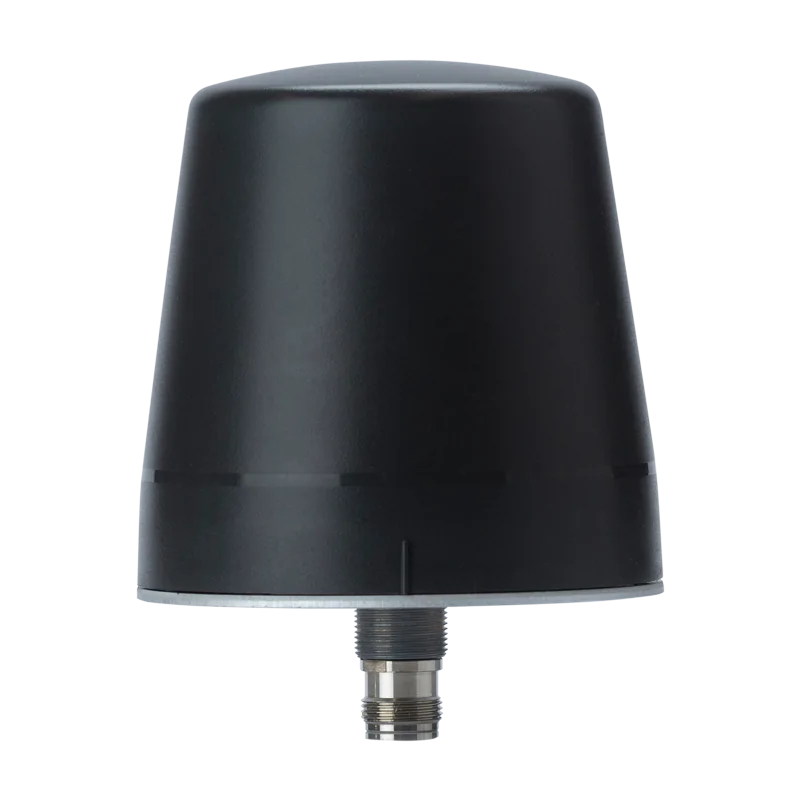
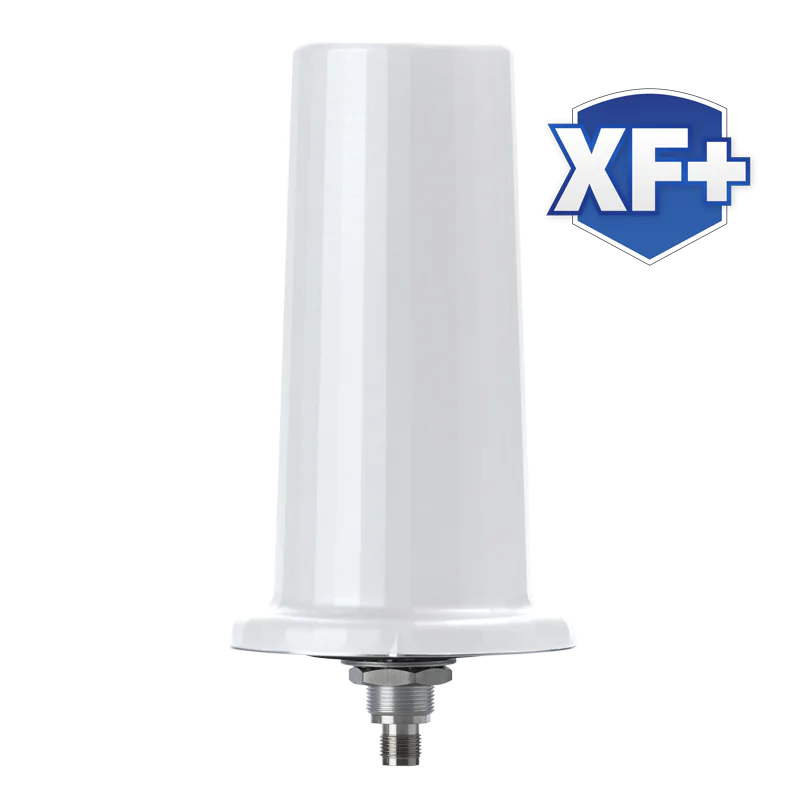
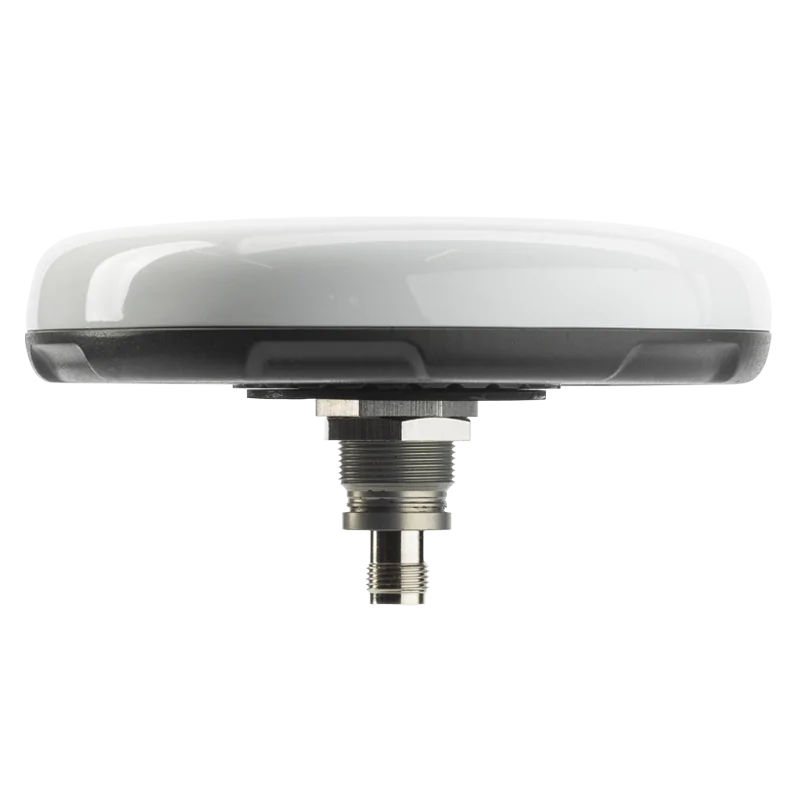
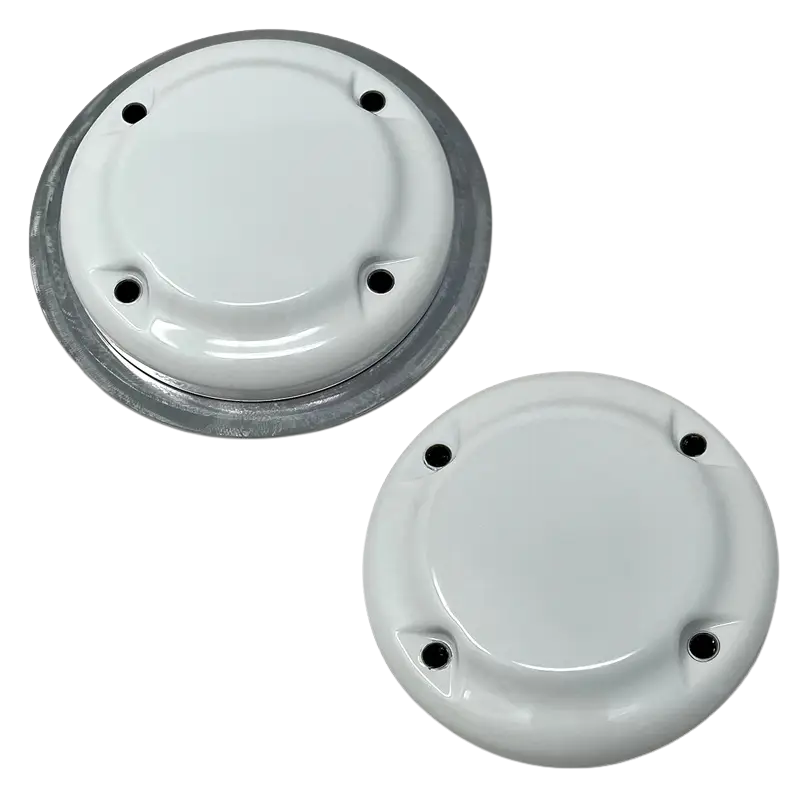
The products below represent several common Calian antenna types, including anti-jam GNSS antennas, full-band precision GNSS antennas and space-qualified GNSS antenna options for demanding applications.
Filtering, Multipath Rejection and Anti-Jam GNSS Antenna Support
GNSS systems can be affected by reflected signals, nearby transmitters, vehicle electronics, LTE infrastructure and intentional or unintentional jamming sources. In a real installation, the antenna often needs to do more than simply receive satellite signals. It may also need to reject unwanted signal paths and help protect the receiver from interference.
Calian anti-jam GNSS antennas are designed for applications where low-elevation interference or ground-based jamming may affect receiver performance. For systems operating in public safety, defence, transport, marine, timing or critical infrastructure environments, this can be an important part of maintaining reliable satellite tracking.
Calian GNSS Antenna Selection Guide
Selecting the right Calian GNSS antenna should start with the receiver and the application. The antenna needs to match the supported GNSS bands, correction services, installation environment and accuracy requirements of the system.
| Selection Area | Why It Matters | Useful Questions |
|---|---|---|
| GNSS Bands and Constellations | Determines whether the antenna supports the signals your receiver needs for positioning, RTK, PPP, timing or L-Band corrections. | Does the system need L1 only, triple-band, full-band or L-Band correction support? |
| Interference Environment | Filtering and anti-jam performance can help protect the receiver in RF-heavy or mission-critical environments. | Will the antenna be close to radios, LTE equipment, vehicle electronics or possible jamming sources? |
| Mounting and Housing | The mechanical design affects installation reliability, exposure protection and long-term performance. | Is the antenna being installed on a vehicle, enclosure, survey pole, marine platform or embedded product? |
| Accuracy Requirement | High-accuracy systems may require better phase centre stability, multipath rejection and multi-frequency support. | Is the application standard positioning, centimetre-level RTK, PPP, timing or mission-critical navigation? |
Where Calian GNSS Antennas Fit
Calian GNSS antennas are suitable for projects where reliable satellite reception and precise positioning performance are critical to the success of the system.
Transport, Fleet and Mobile Systems
Calian GNSS antennas can support vehicle tracking, fleet telematics, rail systems, marine positioning and other mobile applications requiring dependable satellite reception.
Surveying, Mapping and Precision Positioning
Multi-frequency and multi-constellation GNSS antennas are important for applications using RTK, PPP and high-accuracy receiver systems.
UAVs, Robotics and Autonomous Platforms
Compact housed, embedded and helical antenna options can support unmanned systems and autonomous platforms where positioning reliability is essential.
Why Antenna Selection Matters
GNSS antenna selection affects positioning performance before the receiver begins processing satellite data. Frequency support, gain, filtering, axial ratio, phase centre stability, enclosure design and installation position can all influence the quality of the received signal.
Choosing the correct Calian GNSS antenna helps reduce integration risk and gives the positioning system a stronger foundation for accurate, repeatable performance.
Project Considerations for Calian Antennas
When selecting a Calian antenna, key considerations include constellations, frequency bands, receiver compatibility, mounting method, ground plane, cable length, connector type, environmental exposure and the level of interference protection required.
Tekdis Support for Calian GNSS Antenna Projects
Tekdis Ltd UK supplies Calian GNSS antennas for precision positioning, timing, transport, surveying, marine, robotics, autonomous systems, aerospace and industrial applications. Our team can assist with antenna selection, model comparison, mounting requirements and project-based supply.
View Calian GNSS Antennas